
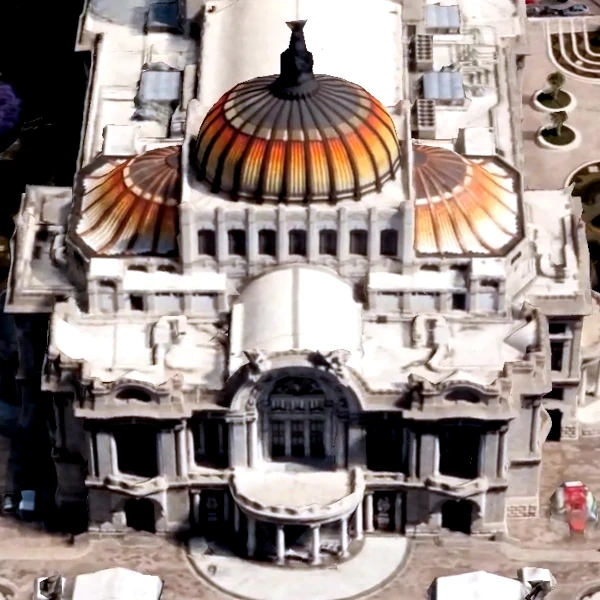
The Palace of Fine Arts in Mexico City is one of the country’s most important cultural buildings. Built between 1904 and 1934, it is an imposing structure in Art Nouveau and Art Deco styles, famous for its magnificent white marble facade and large metal dome. Inside, it houses the Museum of Fine Arts and the Bellas Artes Theater, and hosts major cultural events, concerts, and art exhibitions. It is a symbol of Mexican culture and history. Image Rendering by Google Earth Studio.
Author: Stefano Marsili
-
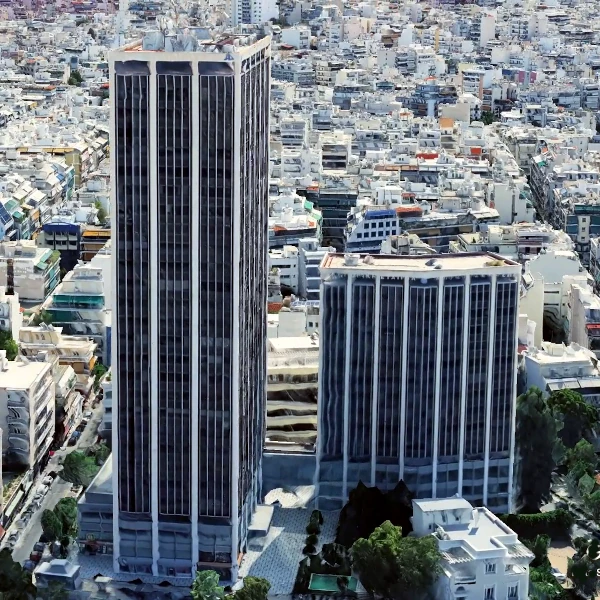
Tower – Athens – Greece
The Towers of Athens, also known as “The Towers of the Lighthouse,” are a series of structures located in the heart of the city. These modern towers rise as symbols of progress and innovation, blending contemporary architectural elements with traditional Greek influences. They represent a landmark in Athens’ urban planning, featuring elegant facades and advanced functionality, while maintaining a strong connection to the city’s history and culture. Image Rendering by Google Earth Studio.
-
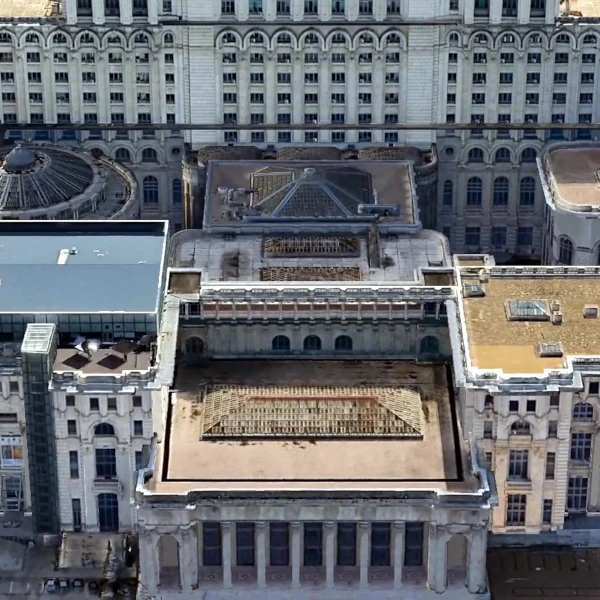
Parliament – Bucharest – Romania
The Palace of Parliament in Bucharest, also known as the House of the People, is one of the largest buildings in the world and a symbol of Romania’s communist regime. Built between 1984 and 1997 under the orders of Nicolae Ceaușescu, the building is impressive for its grandeur, with over 12 floors and 1,100 rooms. Designed in a neoclassical style, it houses both the Romanian Parliament and the National Museum of Contemporary Art. It is a masterpiece of architecture, but also a controversial symbol of totalitarian power. Image Rendering by Google Earth Studio.
-
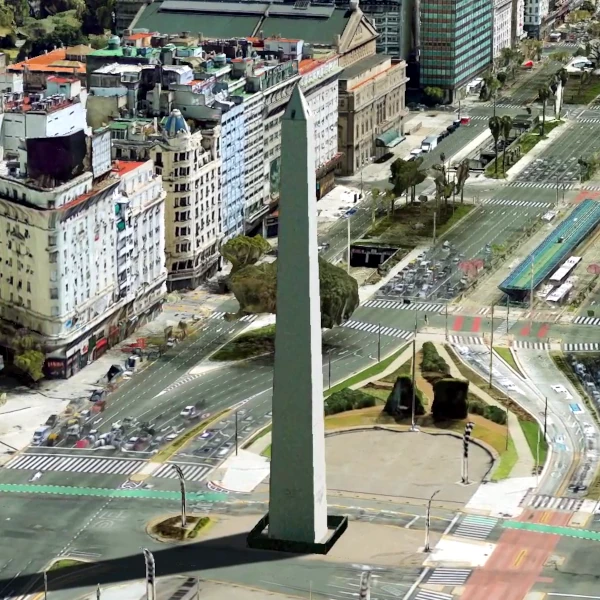
Obelisk – Buenos Aires – Argentina
The Obelisk of Buenos Aires, located in Plaza de la República, is one of the city’s most iconic landmarks. Standing 67.5 meters tall, it was inaugurated in 1936 to celebrate the 400th anniversary of the founding of Buenos Aires. Made of limestone, the Obelisk symbolizes the modernity and history of the Argentine capital. With its towering shape, it stands majestically in the heart of the city, becoming a cultural and tourist landmark. Image Rendering by Google Earth Studio.
-
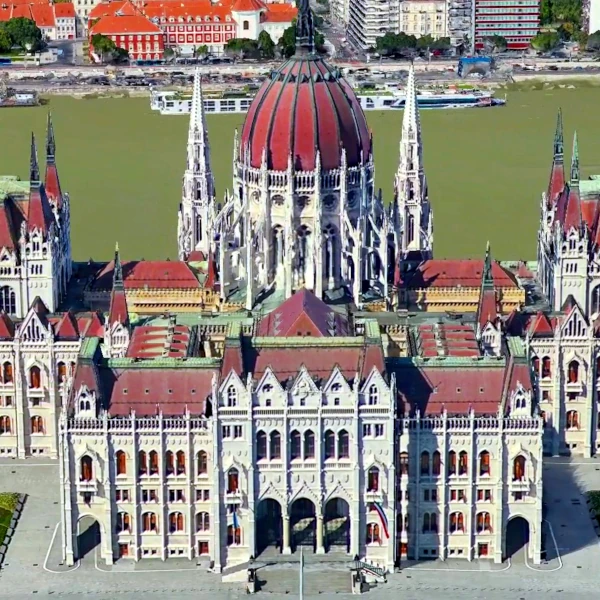
Parliament – Budapest – Hungary
The Parliament of Budapest, located along the Danube, is one of Hungary’s most iconic buildings. Designed by architect Imre Steindl, it combines neo Gothic and Renaissance styles, with an imposing facade adorned with towers, spires, and colorful stained glass. Built between 1885 and 1904, it houses the Hungarian National Assembly. Its symmetry and grandeur make it one of the largest parliamentary buildings in Europe, a symbol of prestige and history for the country. Image Rendering by Google Earth Studio.
-
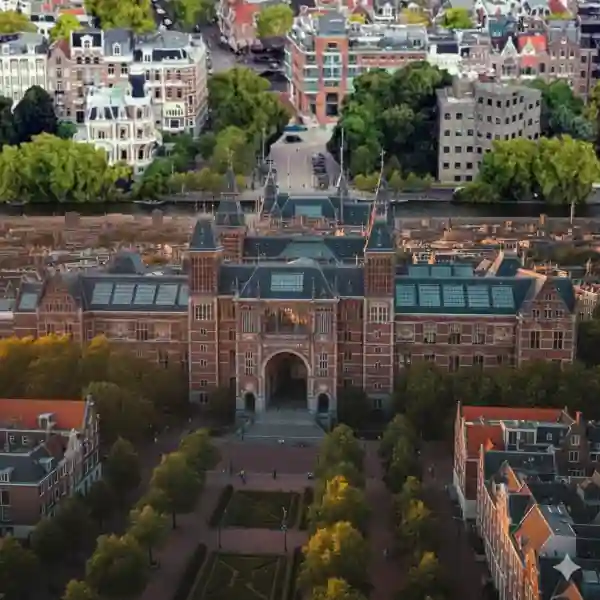
Rijksmuseum – Amsterdam – Netherlands
The Rijksmuseum in Amsterdam is one of the world’s most prestigious museums, dedicated to the art, history, and culture of the Netherlands.
Founded in 1800, it houses over 8,000 works of art, including masterpieces by Rembrandt, Vermeer, and Frans Hals. The museum also features a vast collection of historical objects, such as ceramics, weapons, and furniture, telling the country’s rich history.
Located in a neo-Gothic building designed by Pierre Cuypers, the Rijksmuseum is a cultural symbol and an unmissable stop in Amsterdam.
-
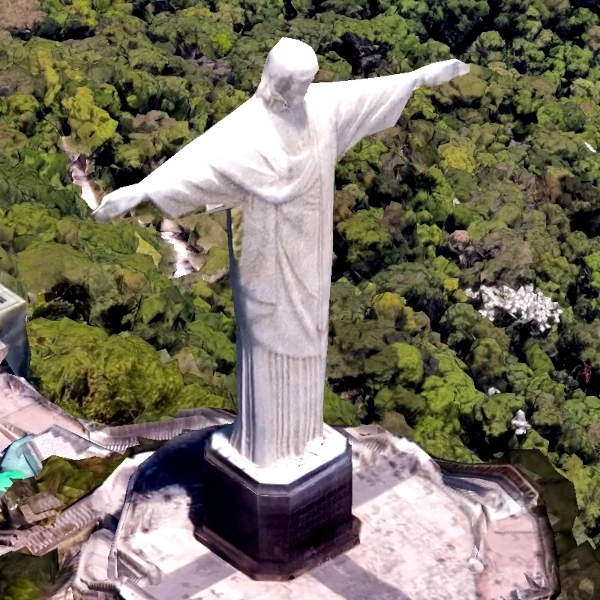
Christ the Redeemer – Rio de Janeiro – Brazil
The Christ the Redeemer statue in Rio de Janeiro is one of the Seven Wonders of the Modern World. Located at the top of Mount Corcovado, at 710 meters above sea level, the statue stands 30 meters tall, with 28-meter wide arms symbolizing a universal embrace. Inaugurated in 1931, Christ is a symbol of faith, hope, and welcome, and can be seen from much of the city. The panoramic view of Guanabara Bay from the site is spectacular, making it one of Brazil’s most iconic landmarks. Image Rendering by Google Earth Studio.
-
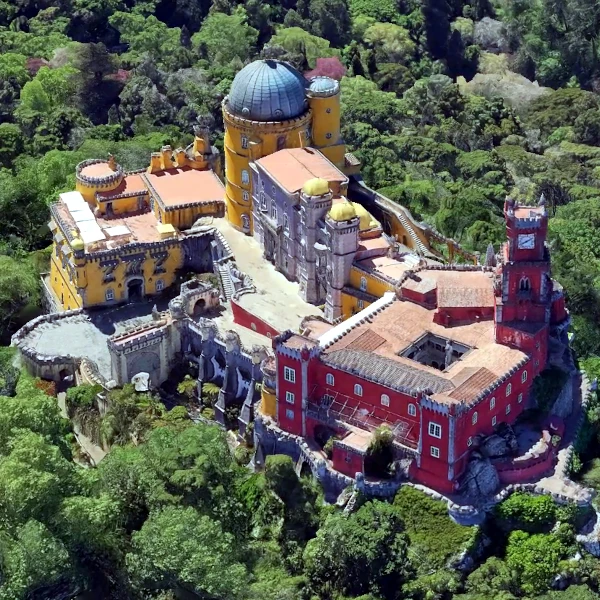
Pena Palace – Sintra – Portugal
The Pena Palace, located in Sintra, is a masterpiece of 19th-century Romantic architecture. Built on a hill, it dominates the surrounding landscape with its unique blend of styles, ranging from Gothic to Renaissance to Manueline. Its vividly colored façade and medieval towers make it an iconic symbol of Portugal. Listed as a UNESCO World Heritage site, the palace reflects the grandeur of the Romantic era and the eccentricity of King Ferdinand II. Image Rendering by Google Earth Studio.
-
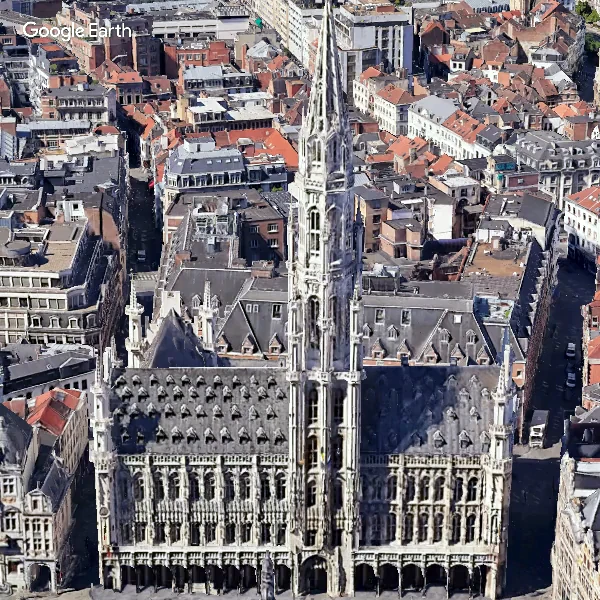
Grand Place – Brussels – Belgium
The Grand Place in Brussels is one of the most spectacular squares in Europe, designated a UNESCO World Heritage site. Surrounded by majestic historic buildings, including the Hôtel de Ville (Town Hall) and the ornate guild houses, the square is a masterpiece of baroque and gothic architecture. By day, it is lively with tourists and locals, while at night it transforms into a captivating illuminated scene, hosting events and shows. A must-see for anyone visiting the Belgian capital. Image Rendering by Google Earth Studio.
-
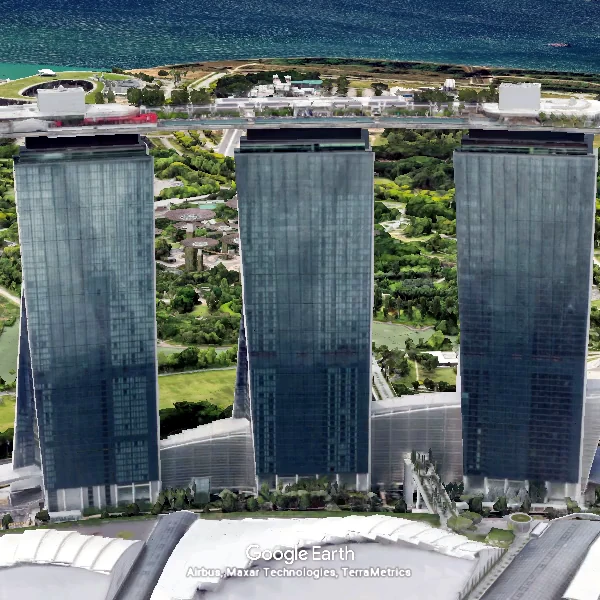
Marina Bay Sands – Singapore – Malaysia
Marina Bay Sands is one of the most iconic hotels in Singapore, located in the heart of the city. With its futuristic design, featuring three towers connected by a panoramic platform, it offers spectacular views of the Singapore skyline. The property includes a casino, luxury shops, gourmet restaurants, and an infinity pool on the 57th floor, the highest in the world. It is a symbol of luxury, innovation, and modernity, attracting visitors from all over the world. Image Rendering by Google Earth Studio.