
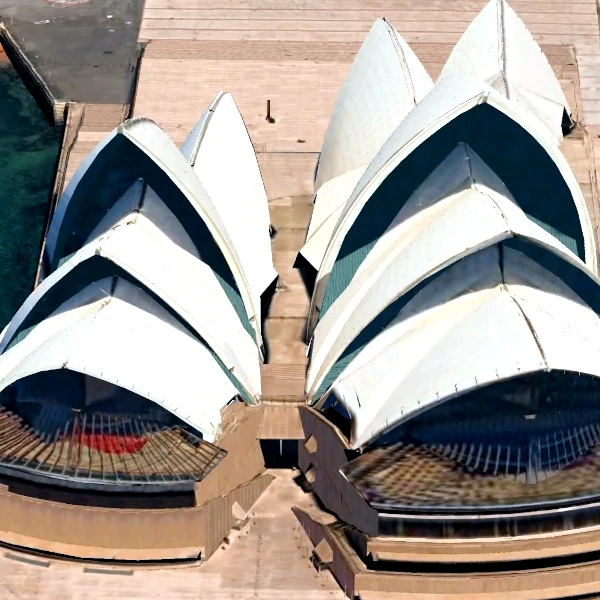
The Sydney Opera House is one of the most iconic landmarks in the world, located on the shores of Sydney Harbour. Designed by Danish architect Jørn Utzon, its unique design, characterized by large white “sails,” represents a blend of architectural innovation and natural beauty. Opened in 1973, it hosts opera, ballet, music, and theater performances, and is a symbol of Australian cultural heritage. Its panoramic views and prime location make it a must-see destination. Image Rendering by Google Earth Studio.
Author: Stefano Marsili
-
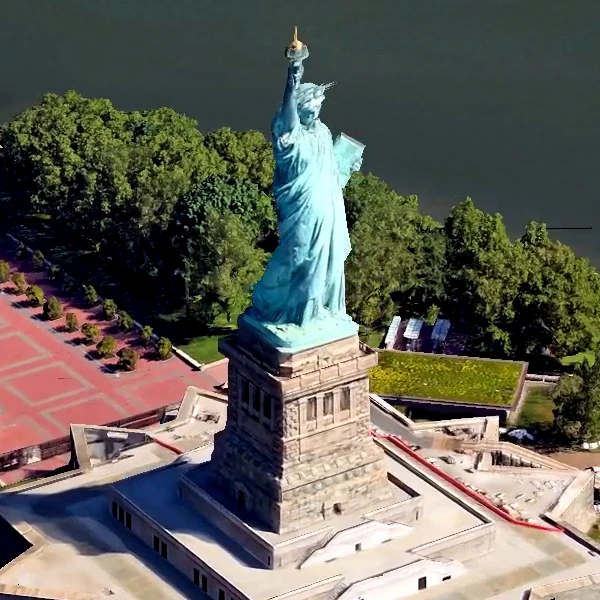
Statue of Liberty – New York – Usa
The Statue of Liberty, a symbol of freedom and hope, stands on Liberty Island in New York. Gifted by France in 1886, it represents the goddess Libertas holding a torch in one hand and a tablet inscribed with the date of the Declaration of Independence in the other. With its seven-pointed crown symbolizing the continents and seas, it stands 93 meters tall including the pedestal. The statue welcomes visitors and immigrants with the promise of opportunity and a fresh start in the United States. Image Rendering by Google Earth Studio.
-
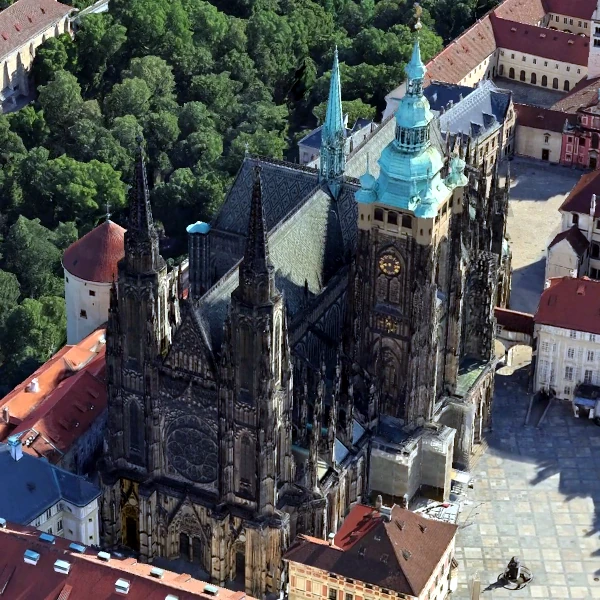
Castle – Prague – Czech Republic
The Prague Castle, perched on a hill overlooking the Vltava River, is a vast historical and architectural complex, a symbol of the Czech Republic. Founded in the 9th century, it combines Gothic, Renaissance, and Baroque styles, and is one of the largest castles in the world. Inside, you can find the magnificent St. Vitus Cathedral, with its towering spires and colorful stained glass, the picturesque Golden Lane, ancient churches, and lush gardens. The castle offers breathtaking panoramic views of Prague, captivating visitors with its millennial history and fairy-tale atmosphere. Image Rendering by Goolge Earth Studio.
-
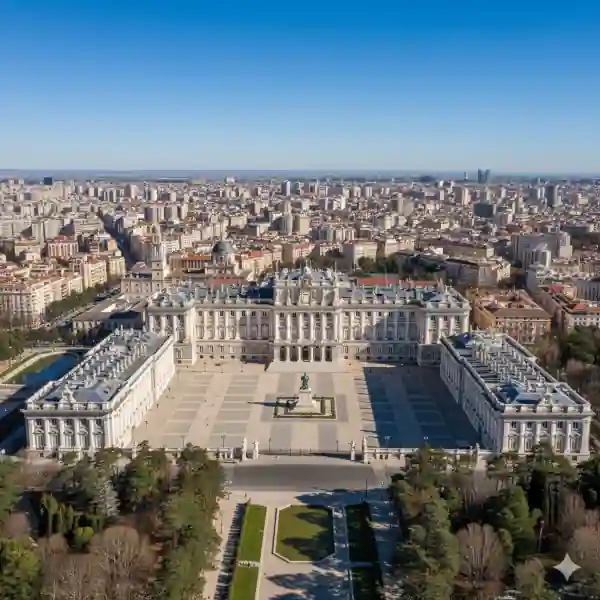
Royal Palace – Madrid – Spain
The Royal Palace of Madrid, the official residence of the Spanish royal family, is an 18th-century Baroque masterpiece.
With over 3,000 rooms, it is one of the largest palaces in Europe. Its luxurious interiors feature frescoes, tapestries, and an art collection with works by Caravaggio and Velázquez.
The Throne Room, Royal Armory, and Chapel are especially famous. Although the royal family does not reside there, the palace is open to visitors for exhibitions and official ceremonies.
Image rendering by Gemini AI.
-
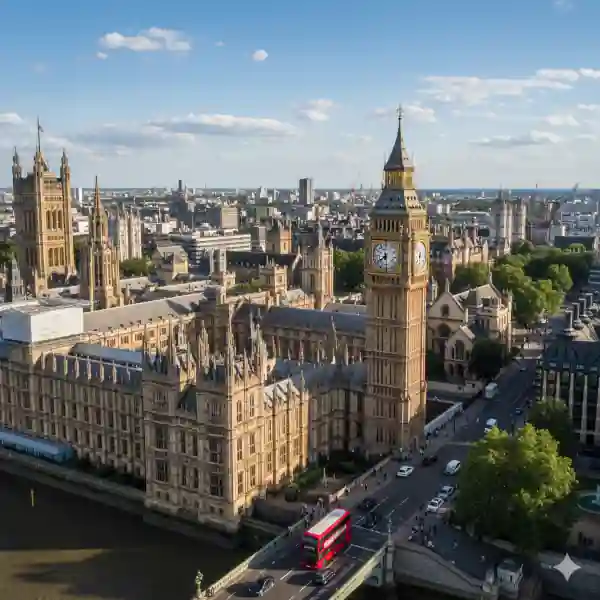
Big Ben – London – England
Big Ben, an iconic symbol of London, is the famous clock tower located at the north end of the Palace of Westminster. Completed in 1859, the name “Big Ben” originally refers to the main bell, weighing 13.5 tons, but today it signifies the entire tower.
Standing 96 meters tall, it features a four-faced illuminated clock renowned for its precision, a symbol of British reliability.
Following recent restoration, the tower continues to mark London’s time, captivating millions of visitors each year.
Image rendering by Gemini AI.
-
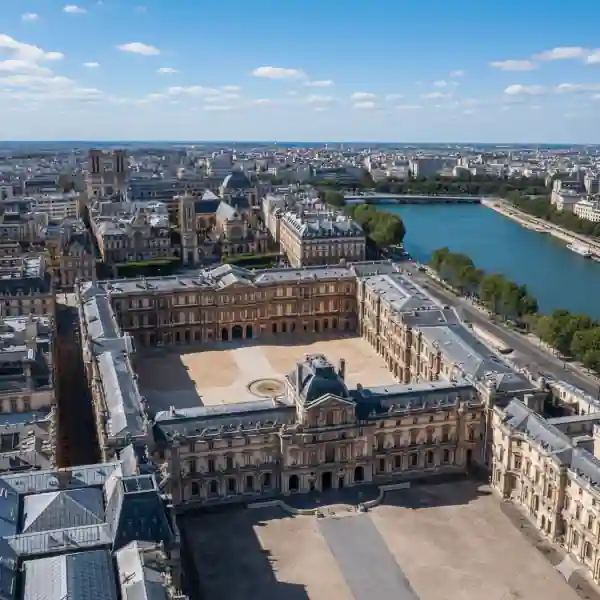
Louvre – Paris – France
The Louvre Museum, located in the heart of Paris, is one of the most famous and visited museums in the world.
Originally a royal residence, it became a museum in 1793. It houses an extensive collection spanning from ancient history to modern art, with iconic works such as Leonardo da Vinci’s Mona Lisa and the Venus de Milo.
With its unique architecture, including the famous glass pyramid, the Louvre is a symbol of global culture and history.
Image rendering by Gemini AI.