
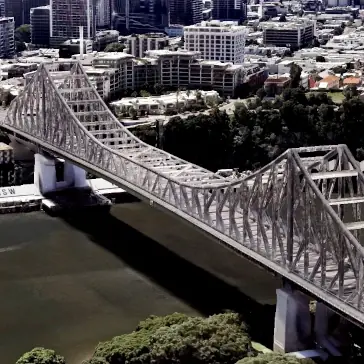
The Story Bridge is one of Brisbane’s most iconic landmarks-a majestic steel cantilever bridge connecting the neighborhoods of Fortitude Valley and Kangaroo Point. Opened in 1940, it’s an engineering marvel that not only serves as a vital transport link but also offers breathtaking views of the Brisbane River and city skyline. It’s the only bridge in Australia that can be climbed, with the Story Bridge Adventure Climb providing unforgettable panoramas, especially at sunset or by night. Lit up with colorful lights that change for events and special occasions, the Story Bridge is a living symbol of the city-blending history and modernity in an elegant structure suspended in the beating heart of Queensland. Image Rendering by Google Earth Studio.
Author: Stefano Marsili
-
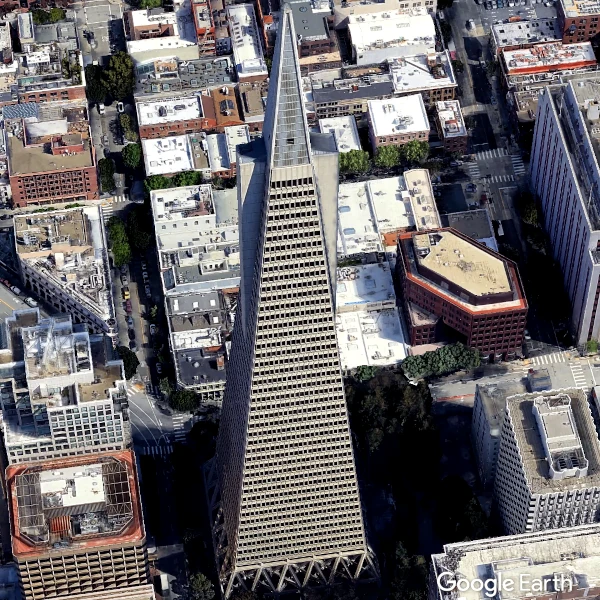
Transamerica Pyramid – San Francisco – Usa
An undisputed icon of San Francisco’s skyline, the Transamerica Pyramid stands out for its sleek and futuristic shape. Inaugurated in 1972 and standing 260 meters tall, it was the city’s tallest building for many years. Designed by William Pereira, the pyramid structure is not only an architectural symbol but also a functional choice: its tapered shape allows more light and air to reach the streets below. Clad in white quartz and topped with a spire that glows at night, the tower embodies the boldness and innovative spirit of America. Although it is not open to the public, it remains one of the most photographed and recognizable landmarks in the city. Image Rendering by Google Earth Studio.
-
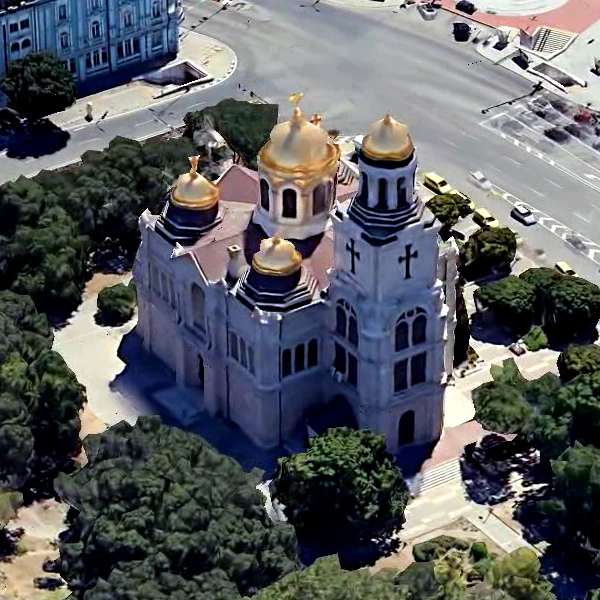
Cathedral – Varna – Bulgaria
Located in the heart of Varna, the Cathedral of the Assumption of the Virgin is one of the city’s most iconic landmarks and a masterpiece of Bulgarian Orthodox architecture. Built in the late 19th century, it stands out with its majestic golden domes and beautifully painted frescoes that depict scenes from Christian tradition. Inspired by Russian Neo-Byzantine design, the cathedral harmoniously blends local and foreign elements. Its bell tower rises above the city rooftops, offering a scenic panoramic view. A place of worship, history, and spirituality, it welcomes thousands of ù worshippers and visitors each year, serving as a cultural and religious symbol for the entire Black Sea region. Image Rendering by Google Earth Studio.
-
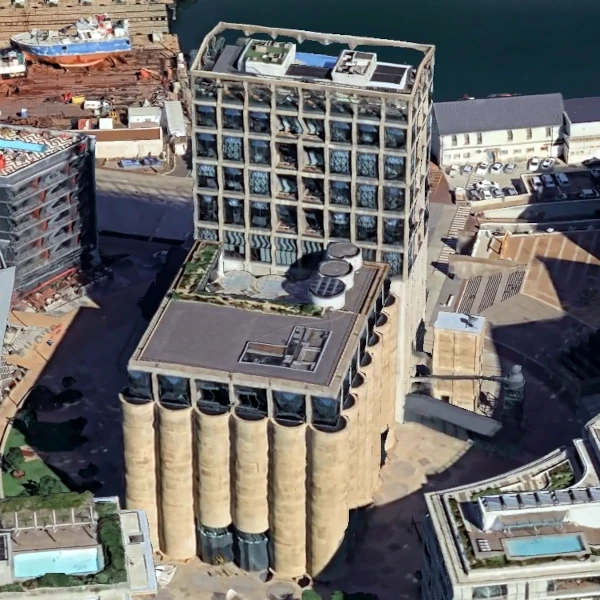
Zeitz Mocaa – Cape Town – South Africa
Zeitz Museum of Contemporary Art Africa, located in the V&A Waterfront district of Cape Town, is a contemporary art museum dedicated to African artists. Opened in 2017, it was created from the transformation of a former grain silo, converted into an exhibition space by Heatherwick Studio. With over 100 galleries spread across nine floors, it hosts a permanent collection and temporary exhibitions that showcase the creative vitality of the African continent. Its atrium, sculpted from the silo’s cylindrical structures, makes it an iconic architectural and cultural symbol. The museum also promotes educational projects and artist residencies, becoming a center for dialogue and innovation. Image Rendering by Google Earth Studio.
-
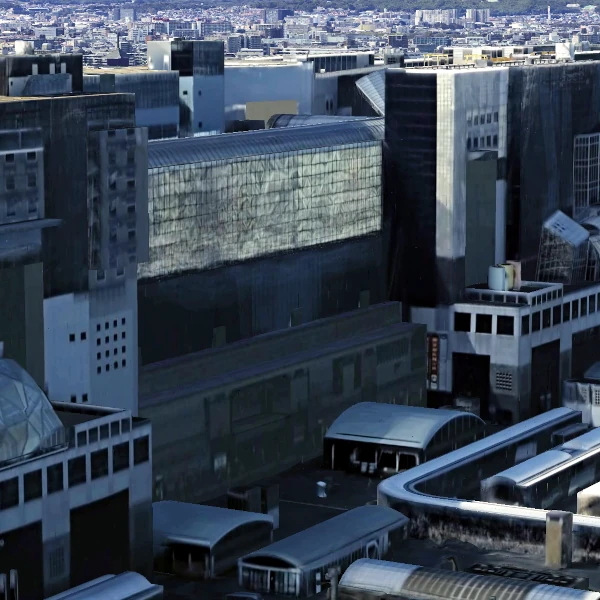
Station – Kyoto – Japan
Kyoto Station, inaugurated in 1997, is one of Japan’s most important transportation hubs and an architectural symbol of the city. Designed by architect Hiroshi Hara, it stands out for its modern glass-and-steel design. Inside, it houses shopping malls, restaurants, a luxury hotel, a theater, and a rooftop garden. The station is served the Tōkaidō Shinkansen, JR lines, the subway, and buses. More than just a station, it’s a true cultural and commercial hub that blends Kyoto’s tradition with innovation. From its monumental hall, visitors can enjoy a fascinating view of the city, making it not only a transit point but also a destination to explore and experience. Image Rendering by Google Earth Studio.
-
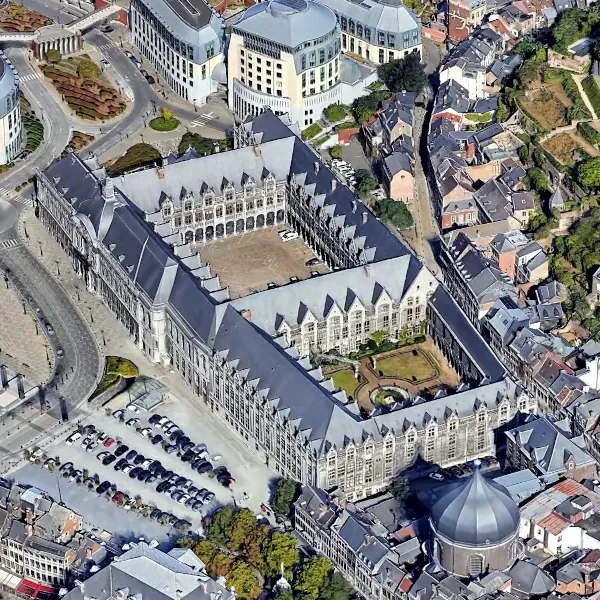
Palace of the Princes – Liège – Belgium
The Princes’ Palace of Liège, located in the heart of the city, is one of Belgium’s most iconic buildings. Built in the 16th century and modified over the following centuries, it blends Gothic and Renaissance elements with Baroque influences. Once the residence of the princes who ruled the city, it now houses the Law Courts and administrative offices of the province. The inner courtyard impresses with its elegant arches and sculpted columns. Its imposing façade dominates Place Saint Lambert, a symbolic site in Liège. The palace stands as a testament to the historical and political significance of the city, which was for centuries an independent principality within the Holy Roman Empire. Image Rendering by Google Earth Studio.
-
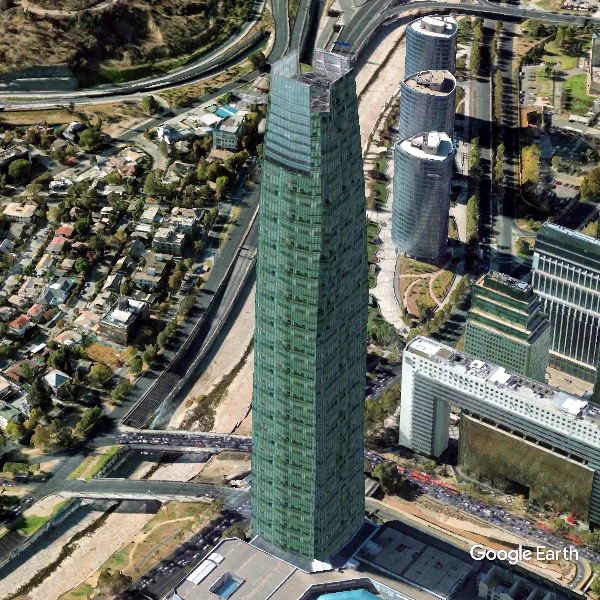
Tower – Santiago – Chile
Costanera Tower is an iconic skyscraper located in Santiago, Chile, within the Costanera Center complex. Standing at 300 meters tall with 64 floors, it is the tallest building in Latin America. Designed by Argentine architect César Pelli, it symbolizes modernity and development for the Chilean capital. The tower houses offices, a luxury hotel, and Sky Costanera, a panoramic observatory offering 360° views of the city and the Andes Mountains. Inaugurated in 2014, it is connected to one of the largest shopping malls in South America, attracting millions of visitors every year. Image Rendering by Google Earth Studio.
-
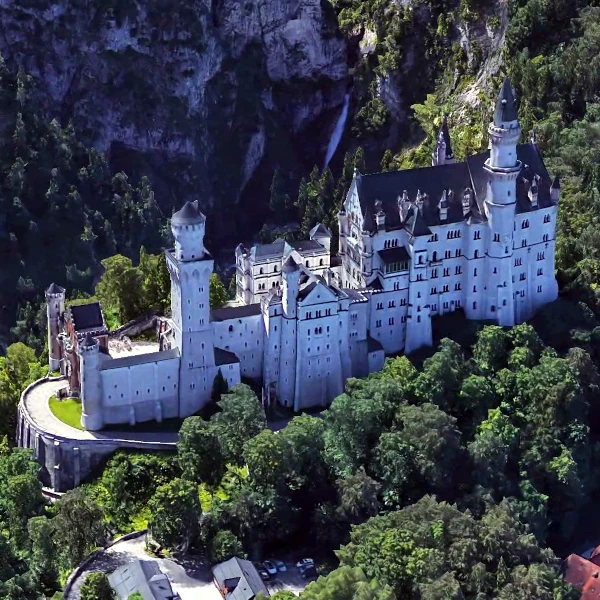
Castle – Neuschwanstein – Germany
Perched among the Bavarian peaks, Neuschwanstein Castle looks like it came straight out of a fairytale. Commissioned by King Ludwig II in the 19th century, it blends Neo-Romanesque architecture with romantic visions inspired by Wagner’s operas. Its slender towers, steep roofs, and white façades are mirrored in alpine lakes, while the lavishly decorated halls, epic frescoes, and dreamlike atmosphere enchant visitors. A symbol of an ideal world and a retreat for a solitary king, Neuschwanstein draws millions each year, captivated by its otherworldly beauty and the fascinating history it holds in the mountains of southern Germany. Image Rendering by Google Earth Studio.
-
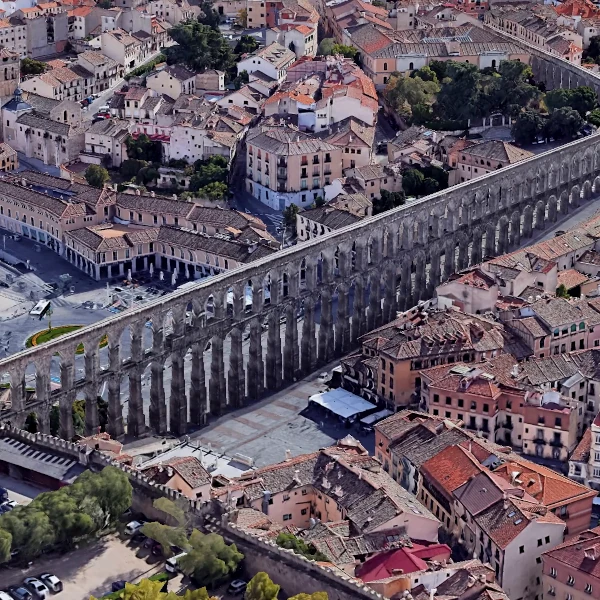
Aqueduct – Segovia – Spain
The Aqueduct of Segovia is one of the most remarkable examples of Roman civil engineering in Spain. It was built in the 1st century AD to transport water from a spring located about 15 kilometers away to the city center. Its most iconic section crosses the Plaza del Azoguejo, where it reaches a height of around 28 meters and features 167 arches built without mortar, using only perfectly fitted granite blocks. This masterpiece has withstood the test of time and has become a symbol of Segovia. In 1985, it was declared a UNESCO World Heritage Site. Even today, it continues to impress visitors from around the world with its grandeur and structural perfection. Image Rendering by Google Earth Studio.
-
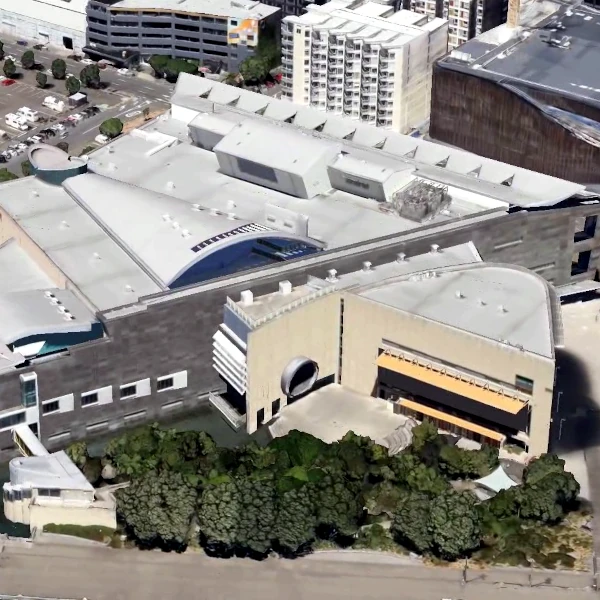
Te Papa Tongarewa – Wellington – New Zealand
Te Papa Tongarewa, located in Wellington, is New Zealand’s national museum and one of its major cultural attractions. Founded in 1998, the museum’s name comes from the Maori language, meaning “The container of treasures.” It explores New Zealand’s history, culture, and nature through interactive exhibits. Key collections include Maori, contemporary, and Pacific art, along with scientific discoveries about local wildlife. The museum is known for its modern architecture and its commitment to promoting cultural diversity. It offers an engaging experience for all ages and is an essential landmark for understanding New Zealand’s identity, also hosting events and educational activities to bring the public closer to local history and traditions. Image Rendering by Google Earth Studio.